

How to fly when you’re not made of money
Yes, it involves using points, but I won’t bore you with too much math

I’m Wing, a travel writer and editor/lifestyle journalist. Most of my stories run in publications like the Toronto Star, Canada’s biggest daily newspaper. But I have more tales and tips to share outside of those features. This is my own little space for that. Thanks for reading!
Oops, it’s been a while since I popped up in your inbox. I don’t have any interesting excuses for my whimsical publishing schedule, apart from being distracted by deadlines and work trips.
Also, it’s taken me a long time to decide a format for this newsletter, but going forward, each edition will feature: a travel strategy, a story, a shopping recommendation and a “souvenir.” That’s the loose plan, always subject to tinkering, because I’m a perfectionist and I can’t help myself.
If you’re new around here, welcome!
IN THIS EDITION
How to plan a multi-city flight itinerary on the (relative) cheap
Cooking at Hapuku Kitchen in Aotearoa New Zealand
A cleverly designed magnetic tripod worth buying
Postcard from London, England

REAL-LIFE TRAVEL STRATEGY
How to Plan a Multi-City Flight Itinerary on the (Relative) Cheap
For starters, travel is never truly cheap, and it’s a privilege to be able to do it.
Based on the popularity of my last post, featuring my slightly nerdy guide to planning trips, it seems a lot of people want practical, real-life travel strategies. So I thought I’d detail how I recently booked flights for my upcoming whirl through Asia.
I’ll be heading there in the fall for a press trip, and my husband will be tagging along, so we’re adding vacation time before and after the work stuff.
To get there and back, I figured out a multi-country, open-jaw flight routing that rivalled the lowest pricing I could find for an ordinary round trip. And to make the most of our time, I added stopovers (basically micro-vacations within a vacation) in two of our favourite cities: Seoul and Tokyo.
Departing flight: Toronto → Seoul (two-night stopover) → Ho Chi Minh City
River cruise from Ho Chi Minh City to Siem Reap (press trip)
Returning flight: Bangkok → Tokyo (two-night stopover) → Toronto
Out of pocket, the Air Canada flights above cost me $1,030 CAD for two people (economy). It could’ve been even cheaper; this price includes seat selection for the transpacific legs, because the exit row is totally worth it.
OK, now the fine print: I also had to redeem 222,800 Aeroplan points, which is admittedly a lot. But that’s about as good as it gets, based on the distance we’re flying (according to this points predictor). Earning points is a whole other story I’ll leave for another time.
In addition, since this is an open-jaw itinerary, I’ll have to book separate flights to get us from Siem Reap to Bangkok (estimated cost: $500 CAD for two). Even so, all in all, I consider this pretty budget-friendly for a trip of this scale.
My tips for booking this kind of multi-city flight itinerary:
Booking my flights with Aeroplan points is what unlocked the two-night stopovers for me. Before you search for international flights on the Air Canada site, choose “Multi-city/Stopover” and click the “Book with Aeroplan points” box. “Add stopover” options will then show up.

Don’t have Aeroplan points or want to fly another airline? The Points Guy has a guide to other stopover programs that allow you to visit an extra city at little or no additional airfare.
For open-jaw flights (where you fly into one city and depart from another), it’s best to go through major airport hubs; you’ll have more options. My itinerary above was a little tricky since the river cruise ends in Siem Reap, which has limited direct flights and no easy way home. Bangkok was the next closest hub for the return trip (and we wanted to revisit that city anyway).
If you book a multi-city itinerary on one ticket, don’t miss a segment. If you “no-show,” the airline will cancel the rest of your itinerary. (I once messed up my calendar and nearly made this very expensive mistake.)

A (SHORT) TRAVEL STORY
Cooking at Hapuku Kitchen, Aotearoa New Zealand
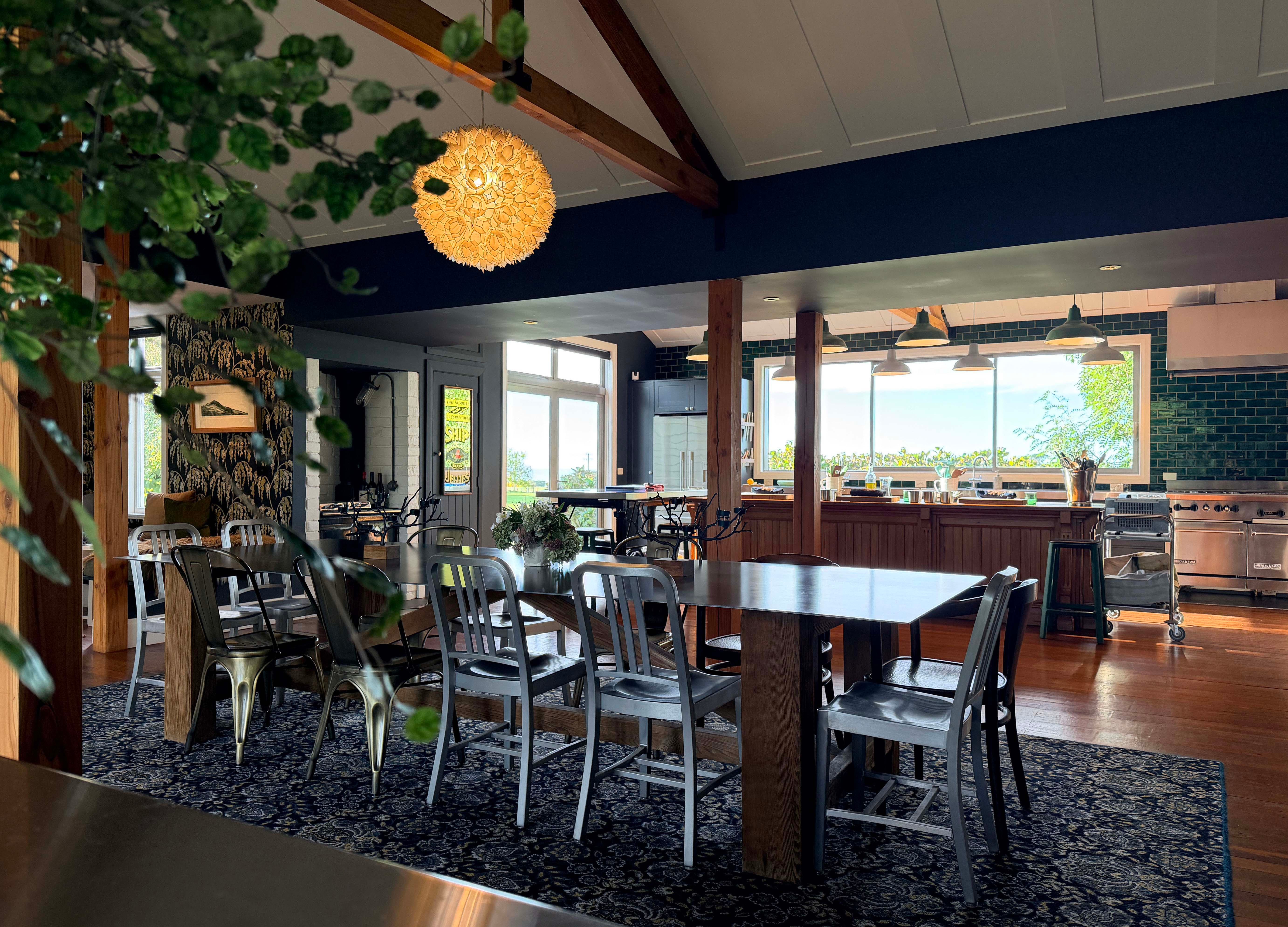
Ever fantasized about trading city life for the bucolic countryside, starting a farm with a citrus grove and a giant fig tree, and running a cooking school out of your gorgeous home? For Fiona Read, once a finalist on MasterChef New Zealand (Season 2), it’s a dream come true, around a decade in the making. Near the tiny town of Kaikōura, Aotearoa New Zealand1, Fiona runs Hapuku Kitchen with her husband, Chris. You can join them for half- or full-day classes.
“When we bought this, it was a little weatherboard cottage, and pretty much all there was out there was sheep and grass,” Fiona tells me. “We’ve planted everything you see and renovated the house with this big dream in mind.”
Before we cook our lunch, we go foraging in her lush garden, snipping herbs, sampling tart gooseberries, twisting off zucchini and tomatoes. There’s a fruit orchard, free-roaming chickens, a nuttery. In the near future, you’ll be able to visit the farm for stargazing experiences as well; the Kaikōura region is a dark sky sanctuary.
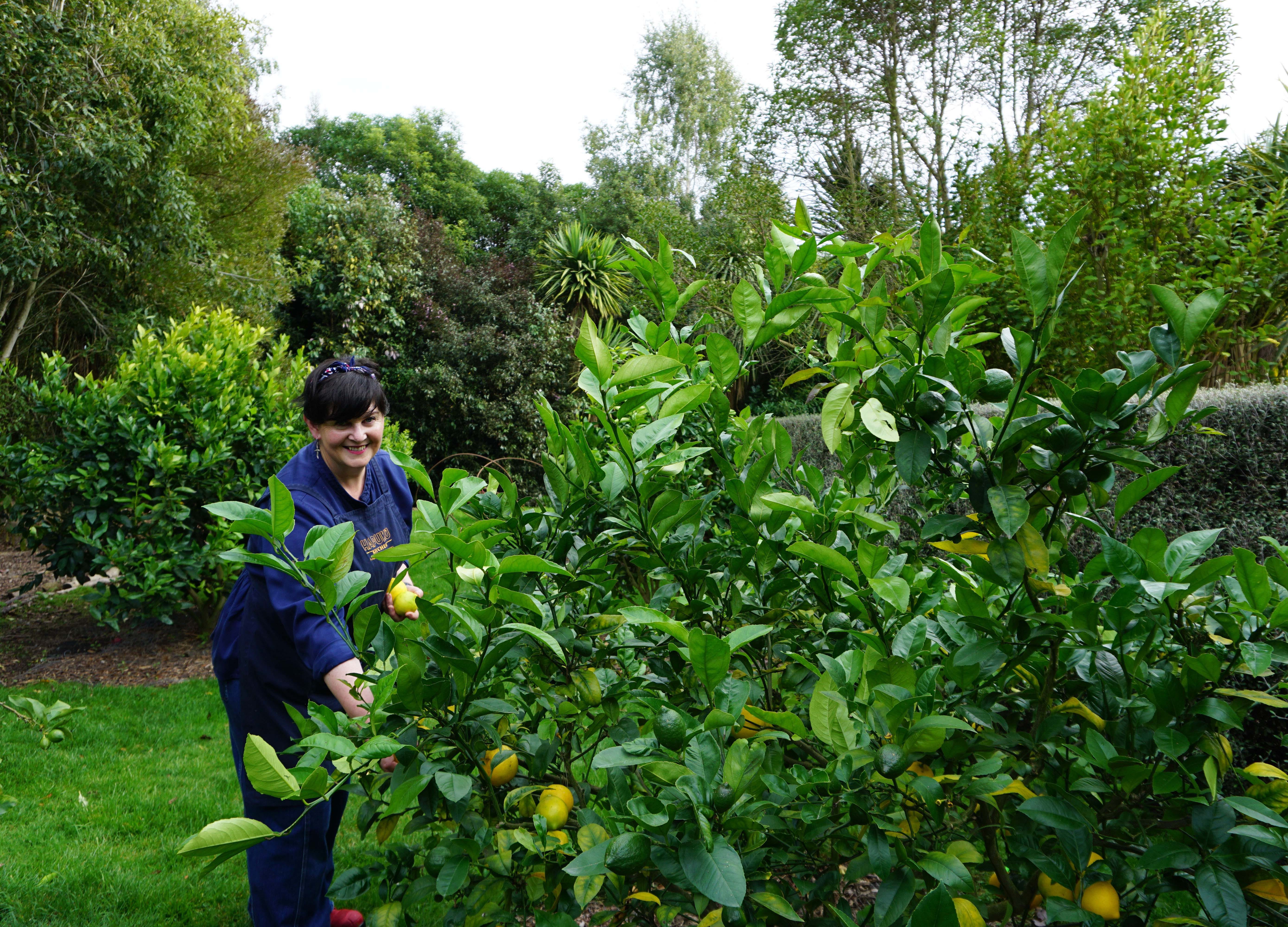
Fiona peppers our tasks with cultural tidbits. For example, when picking kawakawa leaves, used in traditional Māori healing for herbal tea and other purposes, you want ones with lots of holes — signs of a caterpillar that eats the best, most potent leaves.
Out on the patio, on a bright, glorious day, we sip Sauvignon blanc from New Zealand’s North Canterbury wine region. We tuck into manuka-smoked fish rillette, just-baked sesame crackers and salsa verde, followed by iconic Kiwi desserts: burnt sugar steamed pudding and hokey pokey2 ice cream, from scratch. We made all of it fresh. (And by “we,” I mean I chipped in, but the real chefs did the work.)
“We hope people will go home with a slightly better understanding of how food is produced,” Fiona says of her ambitions with Hapuku Kitchen, “as well as a deeper connection to New Zealand food.”
TRAVEL STUFF I ACTUALLY LIKE
A Cleverly Designed MagSafe Tripod
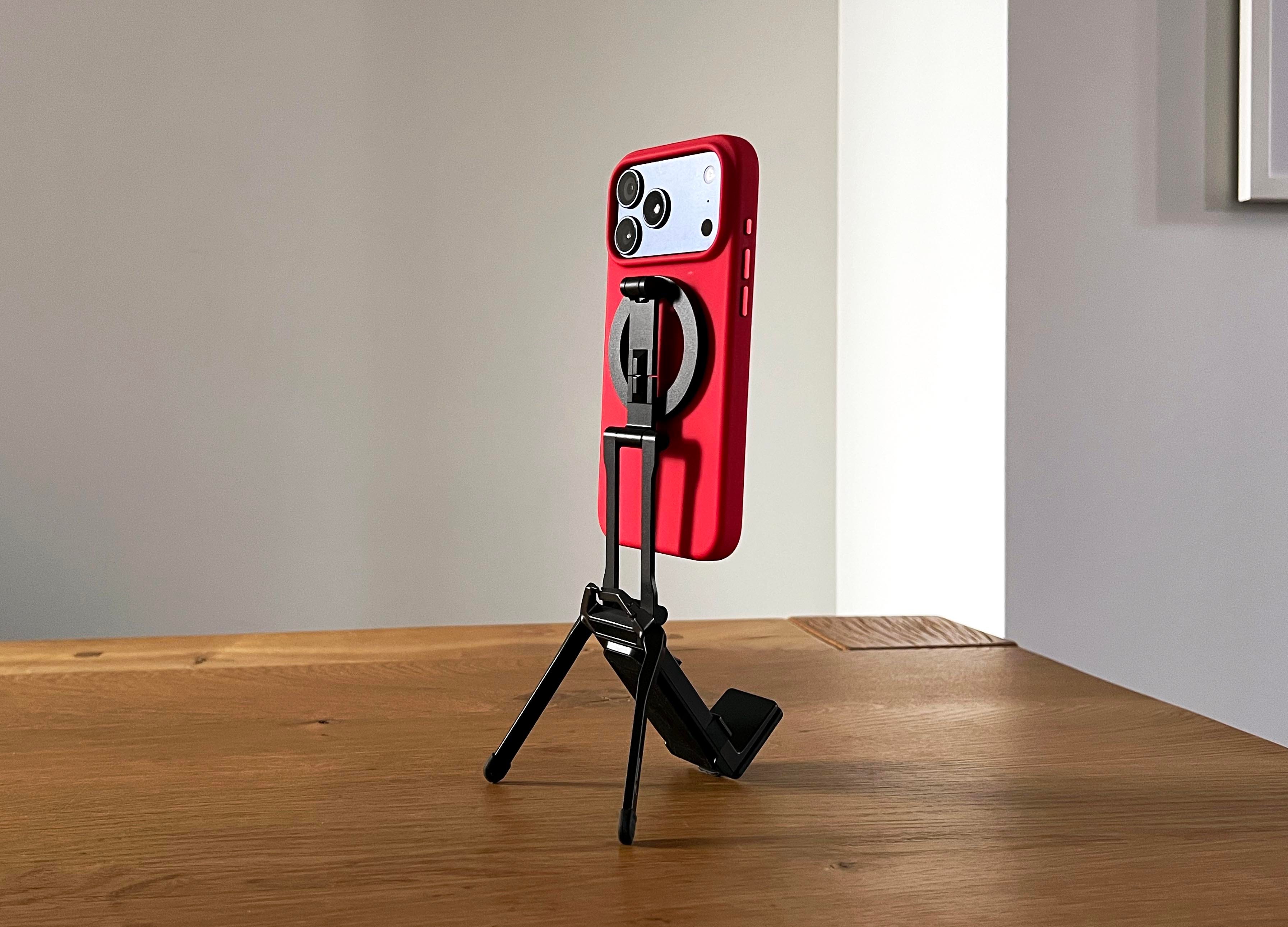
I was recently influenced by this very persuasive Instagram reel to buy this travel-friendly magnetic cellphone tripod. I had modest expectations, but it’s surprisingly sturdy, with strong magnets, so I don’t have to worry about my iPhone falling off and smashing to bits. Link to buy in Canada or the U.S.
(Disclosure: These are affiliate links, but I bought this with my own money and never recommend things I don’t like.)
THE SOUVENIR
Postcard From London, England
I have a nostalgic love of postcards, so I’ve been asking travelling friends to share theirs. This one is from the wonderful Hannah Sung, a Toronto-based culture journalist who’s in the thick of writing her first book, while also working in comms for the non-profit Equality Fund:
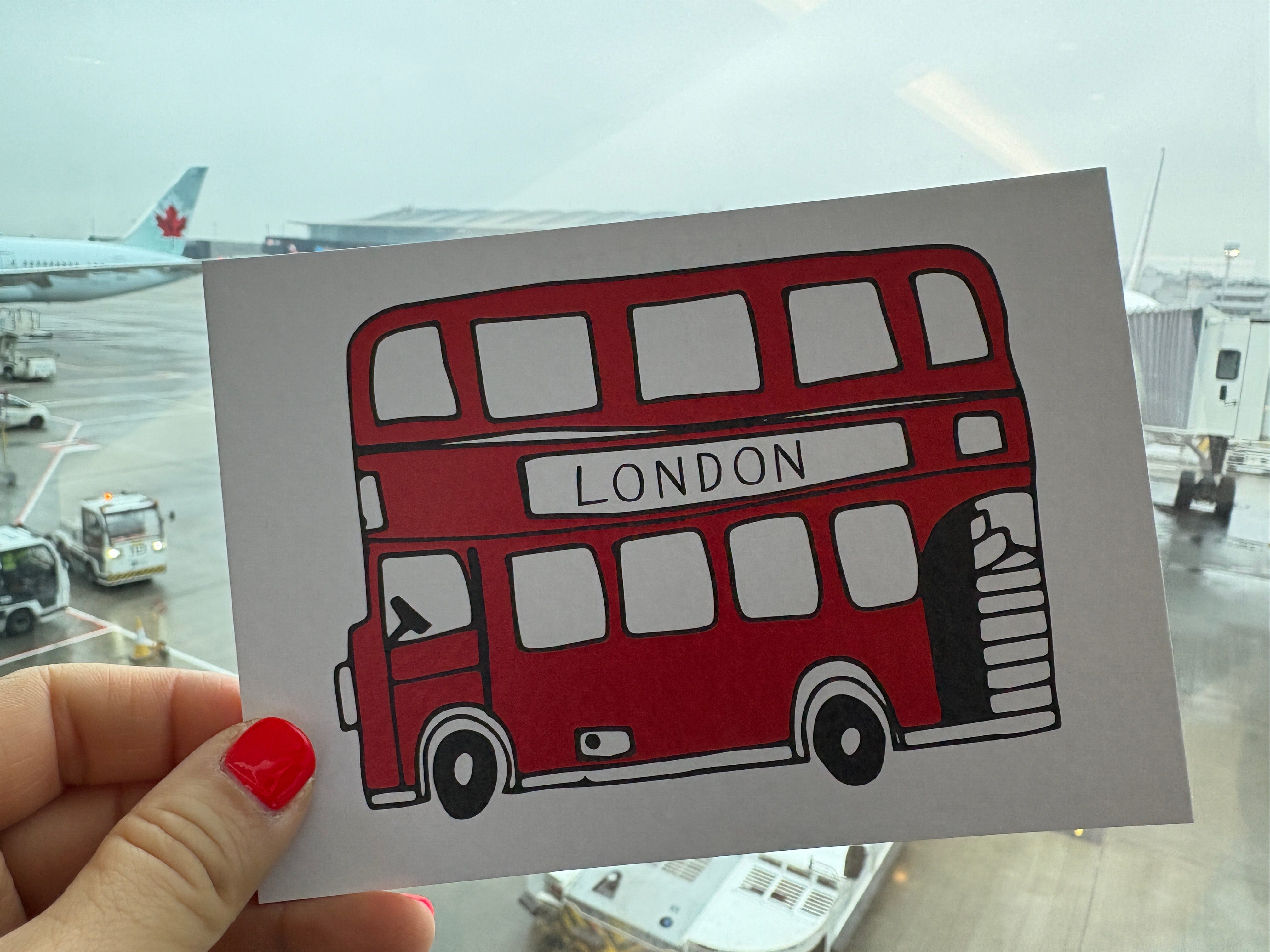
“This was a work trip, but I tacked on a weekend to myself. London is a city you can truly wander. It’s gorgeous, the people-watching is top-notch, the art galleries are free. Walking around, or taking transit or bikeshare, is so easy. I got lost and loved it.” —@hannsung
Where in the World I’m Heading Next
My spring travel calendar includes:
A short vacation in Quebec City, which I haven’t visited in far too long (decades)
A press trip to Vienna to watch the “Olympics of camp” (a.k.a. Eurovision)
A friends’ getaway to Prince Edward County, one of my favourite destinations within road-tripping distance of Toronto (and it’s on Condé Nast Traveler’s list of Best Places to Go in North America for 2026)
If you have recommendations for any of these places, do tell.
ICYMI

Last But Not Least
This newsletter is a work-in-progress, so I’d love to hear what you want to see as I experiment with the format.
You can support this free newsletter (thank you!) by forwarding it to your friends, sharing it on social media or tapping the heart ♡ below.
Aotearoa is the Māori name for New Zealand. Within the country, it’s increasingly common to see Aotearoa New Zealand, written together, as the nation’s name.
North Americans know “hokey pokey” as honeycomb or sponge toffee.
Have you been to Eurovision before? That press trip to Vienna will be fab.