

How to travel like it’s your job
The best way to have a nice, relaxing vacation is to plan like a Type A eldest daughter

Hello! I’m Wing, a travel writer and editor/lifestyle journalist based in Toronto. Most of my stories run in publications like the Toronto Star, Canada’s biggest daily newspaper. But I have more tales to tell and tips to share outside of those features. This is my own little space for that. Thanks for reading!
IN THIS EDITION
My slightly nerdy guide to planning trips
My travel essentials, including my carry-on suitcase of choice
Where to go in Mexico City, according to @shotbyphil
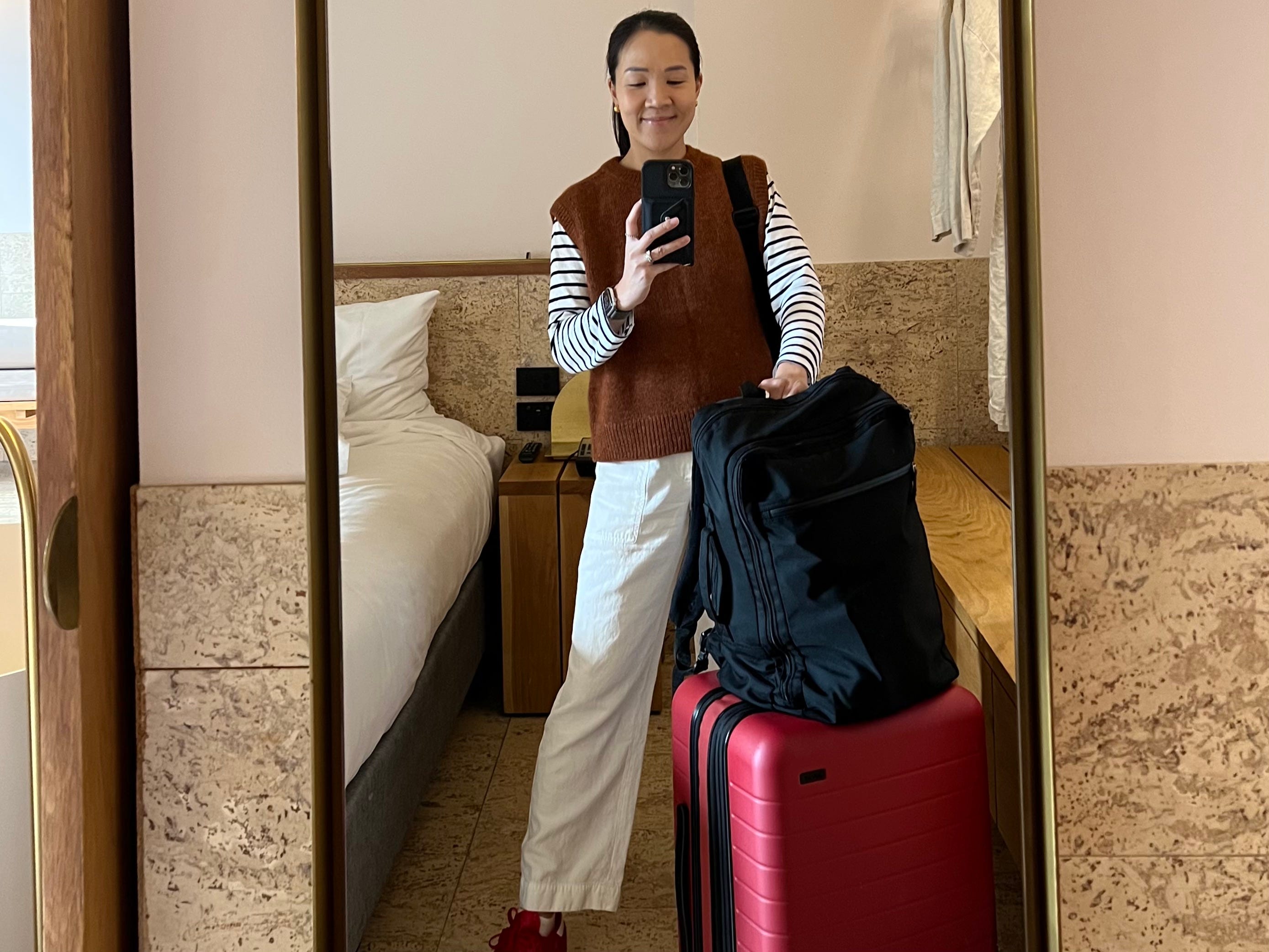
Some people treat vacations as pure downtime, planning as little as possible. My brain is missing the “relax” mode, so I treat travel like it’s an infinite research project. It’s fun (for me)!
So when fellow newsletter writer Nadine Araksi of Permission Slip requested travel hacks, that was all the prompting I needed to gather up my random bits of wisdom into the following guide. If you find this helpful, please share it far and wide.
Flying
Research with Google Flights and Skyscanner. These are my starting points for figuring out route options, but I always book with airlines directly, instead of through third parties. When things go awry, you’ll want help right from the airlines.
Sign up for an airline loyalty program, even if you’re not a frequent flyer. In Canada, the obvious choice is Aeroplan, and there’s an eStore portal where you can earn points for everyday shopping across hundreds of retailers. I once timed my purchase of an Apple computer with a points promo and racked up more than 27,000 points, almost enough for a round-trip flight to Paris in April.
Consider a travel credit card, but only if it makes sense for your spending habits. The premium ones will include airline benefits like priority boarding or lounge access, but you’ll have to decide if the annual fee is worth it for you. (There’s also the world of credit card “churning” — opening lots of cards strategically, to reap maximum sign-up points — but I don’t do this.)
When you’re ready to redeem points, use the seats.aero search engine to research reward flights. It’s free to search for near-future flights (departing within the next 60 days), and a paid account unlocks more features.
Consider an open-jaw flight if planning a more ambitious, multi-destination vacation. This is an itinerary where you fly into one city, and out of another. The plane fare can be roughly the same as a traditional round-trip; you just have to make your own way between the two points. For example: I’ve done Toronto-Tokyo and Seoul-Toronto, taking a regional budget flight in between.
Check plane seat maps. I’m the kind of weirdo who has to reference aircraft layouts before settling on a seat. Proximity to the lavatory? It matters! SeatGuru was recently shuttered by Tripadvisor, so I’ve started using SeatMaps.
Book a seat in the bulkhead/exit row when flying economy. It’s well worth the extra leg room, especially on a long-haul. For example, selecting a preferred seat on a recent Air Canada Vancouver-Tokyo flight cost me $133 CAD — peanuts compared with paying thousands more for business class.
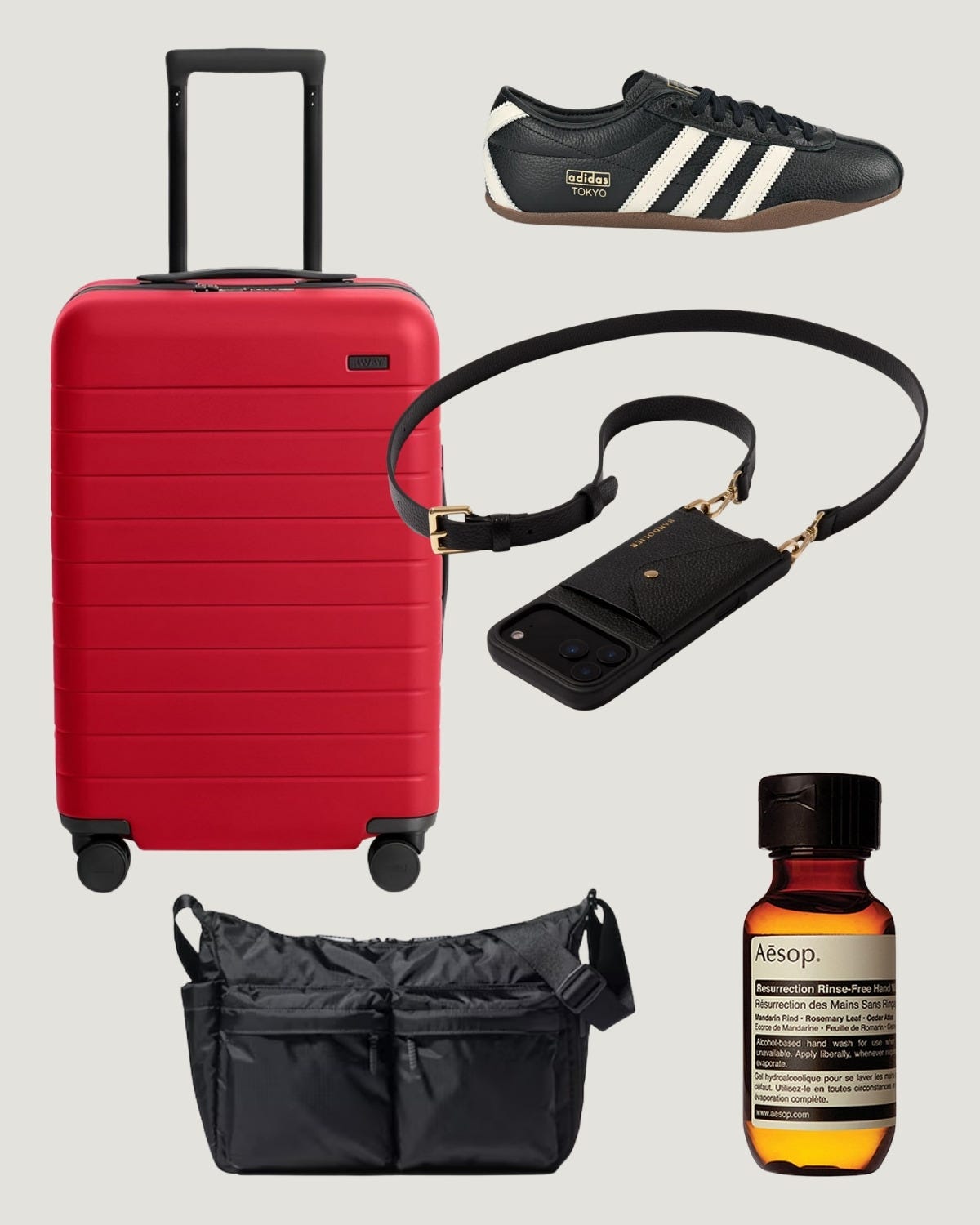
Have a go-to plane uniform. My usual formula: a Uniqlo tee or long-sleeve; a lightweight cashmere sweater; a big, cozy scarf; a destination-appropriate jacket or coat; joggers in a dressier fabric (mine are an ancient pair from Aday); and walking shoes (like the Adidas Tokyo).
Pack your plane essentials. Mine include: a Kobo e-reader; power banks (I bring a purse-sized one and a big one capable of recharging a laptop); Happy Ears earplugs; this bougie Aesop hand sanitizer (non-drying and smells delightful); and these travel-friendly antibacterial wipes (for de-germing seat trays and the like).
(Note: This post has a few affiliate shopping links. I never recommend things I wouldn’t spend my own hard-earned money on.)
Check in online. I set a calendar reminder to check in as soon as I can, usually 24 hours before departure. Sometimes this means I can snag a preferred seat for free (as an Aeroplan status benefit). In any case, I never want to check in at a counter, because that’s when they might size up my luggage more closely (more on this later).
Accommodations
Decide your neighbourhood first, then your accommodations. Unless it’s an entirely on-resort vacation, I prioritize location over most things. A hotel has to be clean and comfortable, but for me it doesn’t have to have every luxury or amenity. I use booking engines to peruse properties, but I’ll also just zoom in on my preferred neighbourhood in Google Maps and click around the hotels that pop up. This can sometimes reveal small boutique properties that aren’t listed on the main aggregators. Also, I can see what’s around the hotels (shops, restaurants and such).
Don’t forget to check Google Street View. This answers questions like: Does the neighbourhood look nice and friendly for walking alone late at night? Is the hotel located right next to a noisy main road?
Decode the hotel reviews. The overall rating is important, but I also read closely for complaints that have cropped up consistently over a recent period of time. These are often more revealing. Ditto candid photos.
Compare room rates across booking platforms. While I always book flights directly with airlines, I’m less loyal when it comes to hotels. That said, sometimes booking with a hotel directly will come with complimentary perks, like early check-in or late check-out.
Packing
Go carry-on only. I know, it doesn’t work for everyone! But I hate wasting time at the baggage carousel and risking delayed or lost luggage. And I regularly schlep luggage on solo trips, up and down stairs and over bumpy cobblestones; I need to travel light. When my last suitcase broke, I spent too much time comparing luggage specs before buying the Away Bigger Carry-On Flex. I wanted as much space as I could get in a carry-on, as well as a zipper to expand. This one is technically too big by Air Canada’s rules, and it will not fit in the sizer, but I haven’t been forced to check it yet. (Caveat: When the suitcase is expanded, you’ll have to check it.)
Use Apple AirTags if you must check luggage.
Bring a backpack as your second/personal item. Don’t wreck your back hauling around a heavy tote bag or duffel. Mine is a perfectly designed, decade-old one from Muji that I (permanently) “borrowed” from my husband. (Thanks, Andrew!) Alas, they don’t sell it anymore.
Pack a squishable cross-body bag (for carrying day essentials) and a small, slim purse (for dressier occasions). For the former, I like this Uniqlo multi-pocket shoulder bag, which is super light but holds a lot, and it can be tossed into a washing machine.
Plan your outfits day by day. When going carry-on only, there’s no room for random, whimsical things you may or may not wear. I make a trip-specific spreadsheet to plan my clothes — envisioning whole outfits — by day, tailoring them around whatever activities are on the agenda. I also have a separate packing list of items I need for any trip, so I don’t leave for the airport without my wallet (yup, that’s happened before).
Use disposable shower caps, the kind you find in hotels, as shoe covers. This avoids dirtying your luggage. I got this tip from chef Roger Mooking when I interviewed him for enRoute magazine.
Decant your favourite beauty liquids into travel containers. I like these ones from Muji, which have proven leak-proof so far.
Have a dedicated toiletries kit for travel, stocked with “doubles” of your at-home products. This is mostly handy for frequent travellers. Store the kit in your carry-on, and don’t worry about packing it afresh each trip.
Itinerary Planning
Do your own legwork. Duh, you’re probably thinking. What I mean is that we all travel for different reasons, and with wildly different tastes and preferences, so it’s worth taking time to plan thoughtfully, so you get what you really want out of your travels. For me, customizing my itinerary is half the fun, so I’m not excited by shortcuts like AI trip planning. I’ll check out a wide mix of resources:
Glossy travel magazines and major newspapers for inspiring narratives
Old-school guidebooks for lay-of-the-land basics
Smaller city magazines for the latest news on the food/drink/shopping scene
Review websites, local blogs and Instagram posts for “real people” opinions
Curate your points of interest in Google Maps. I create my own private lists by city. Then whenever I hear about an intriguing place I’d like to visit in the future — say, a cool restaurant or new museum — I’ll save it, adding an optional note to myself, so I don’t forget. This is also handy when I’m actually travelling: It’s easier to plan my day’s itinerary when I can see, at a glance, which places are located close together.
Dining
Research widely. I start by looking at restaurants that have garnered some degree of media attention in outlets like The New York Times, Travel + Leisure, Condé Nast Traveler, Food & Wine, The Infatuation, Eater, Time Out and so on. (Some publications have discerning tastes; others are good mainly for just news of openings.) I also look up outlets based in the city I’m visiting — they tend to be most plugged in. I don’t always agree with what Michelin lauds, but I still look at their starred spots, as well as their articles with chefs’ picks. I check out social media, but Insta/TikTok-famous food can be hit-or-miss for me.
RELATED STORY: “How to Choose a Restaurant When You’re Traveling” (NYT)
Pull up Google Maps, zoom in on a neighbourhood and click around the restaurants, cafés and bars that pop up. This is the opposite of my tip above — it’s the digital equivalent of wandering around until something catches my eye. With a bit of serendipity, I can stumble across gems I wouldn’t have noticed otherwise.
Check customer reviews for restaurants, but don’t take the rating at face value. I once had the most egregious Italian food of my life, tasteless pasta with a side of rude service, in Berlin. I picked the place based on its sterling Google Maps rating, currently 4.8. I later realized the restaurant inflates its reputation with fake reviews, and gets Google to delete criticisms — the latter is rampant in Germany (and probably elsewhere, too). Fast Company explains why you should be skeptical of the country’s “suspiciously excellent” businesses. To end on a happier note, the best meal I’ve had in Berlin was the family-style feast at Night Kitchen.
RELATED STORY: “A Foodie’s Guide to Eating Well on a Road Trip” (CBC Life)
Preview dishes on Instagram. It’s often hard to visualize food based on menu descriptions alone. I like to see dishes posted on a restaurant’s official IG, as well as the less stylized photos that diners have tagged.
Miscellaneous Tips
Look to Reddit. I don’t use it for itinerary ideas per se, but the site can come in clutch for niche advice or anecdata. For example, when I needed to see a doctor fresh off a flight to Tokyo, a Reddit thread is how I found a good medical clinic open late and able to take foreigners.
Get an eSIM instead of spending a small fortune on roaming. There are lots of options, but I use Airalo. (An eSIM works best if you don’t need to use your usual phone number while travelling.)
Book a guided tour. I’ve used Airbnb Experiences for a photo shoot in Lisbon (where this picture was taken), and a jaunt around Seoul’s street-food markets. Because the guides listed on the site are often solopreneurs, the tours tend to be small and intimate, with lots of affordable options.
Shop for souvenirs you’ll actually use. I try to identify chic labels I can’t get at home (earrings from a local designer, for example, take up no luggage space). I also favour items that reflect a sense of place (say, perfume that smells like Vietnamese coffee from Ho Chi Minh City, or a UV umbrella from Japan). In fashion cities like Paris, I’m fond of browsing vintage/consignment shops. I’m also into the whole grocery tourism trend. Spices, sauces or snacks are great, inexpensive mementos.
Did I miss anything? Comment below with your travel question.
THE GUEST LIST
Where to Go in Mexico City
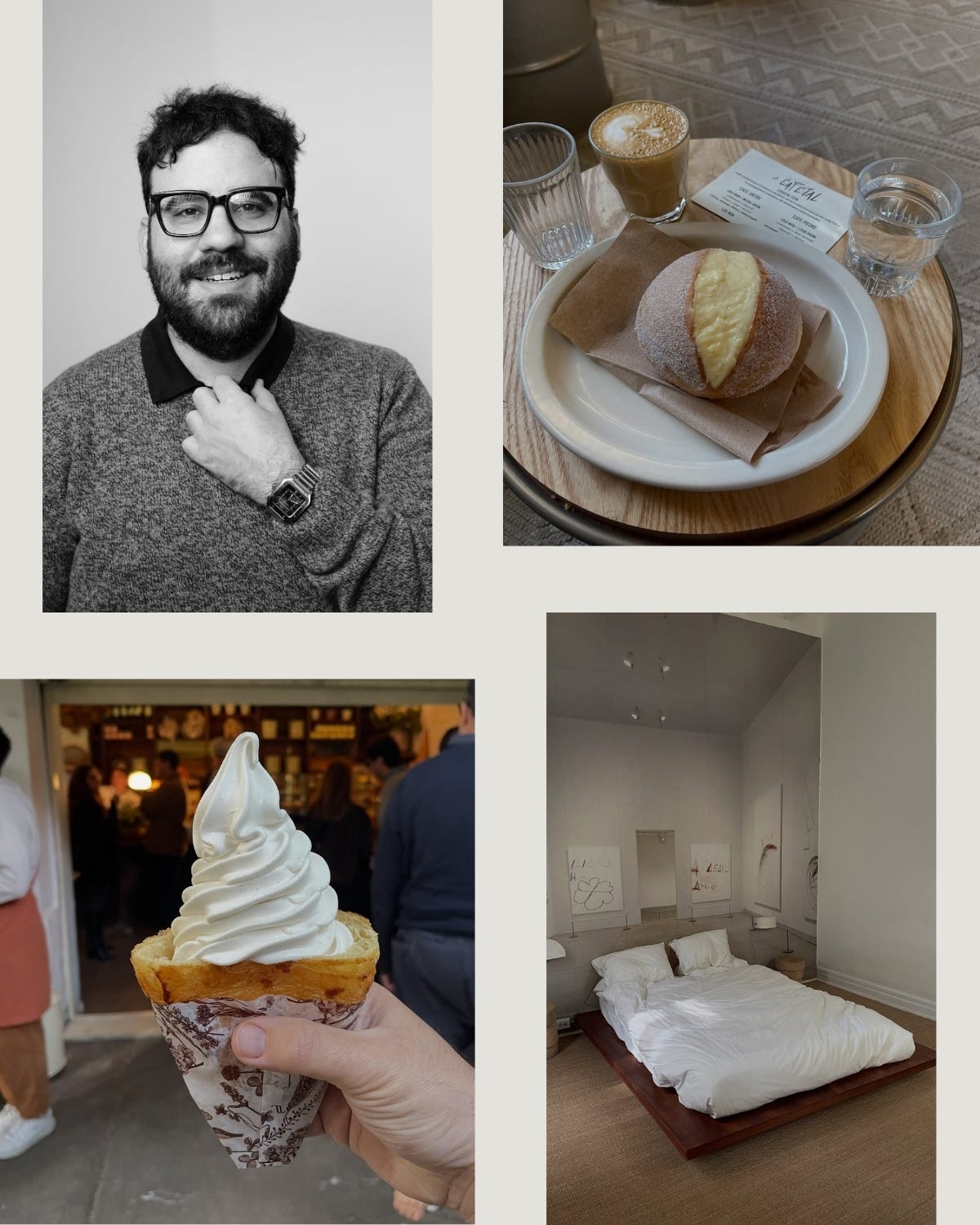
The Guest List is a micro destination guide, featuring recommendations from cool people. For this edition, I asked Phil Birnbaum, frequent traveller and founder of the Toronto PR agency Perfect Pear, to share his picks for Mexico City, where he just vacationed. Phil was kind enough to oblige:
WHY GO
“Mexico City is one of my favourite cities in the world. I’ve lost count of how many times I’ve visited. Once I realized that it was so close to Toronto (five and a half hours), it became a top place to visit for the design, museums, galleries, food and drinks.”
WHERE TO STAY
“I first visited Casa Bosques, a beautiful bookstore in Roma Norte, in 2018. It became a staple during visits to the city, with their Casa Bosques Chocolate making a perfect souvenir for friends. Two years ago, I discovered that they have three guest suites upstairs, all curated by Rafael Prieto, founder and creative director of Savvy Studio. We finally had a chance to stay at Casa Bosques Pension and it was perfect. The room felt like we were sleeping in an art gallery (it even had gallery lighting!!!) and had a super cute private patio. If you visit after February, you may be lucky enough to stay in one of the six new guest rooms in the building next door.”
WHERE TO EAT AND DRINK
“Panaderia Rosetta is a perfect spot for all of the pastries, breakfast and that soft serve in a croissant. Anticipate a line-up for the to-go window, though it moves quickly. If you want a table, arrive around opening at 7 a.m., or plan for a 45- to 60-minute wait.”
“Masala y Maiz has an incredible lunch that blends Mexican and Indian cuisine. My favourite spot in CDMX! Make sure you order the paratha quesadilla and infladita chaat.”
“Tlecan is a mezcal bar (No. 3 on North America’s 50 Best Bars) with the best selection of mezcals, organized by region, and some pretty stellar drinks. I ordered the Margarita Texcoco.”
“Orbita is a great café/bar/restaurant. We went for breakfast, and the coffee came with an info card on the beans.”
“Buna is a local café and roastery. Visit the Laguna location and try their new Cafetal pour-over experience!”
“Lardo’s to-go window is perfect for enjoying their pastries if you can’t get a table. Get a guava bun.”
“Entremar is Contramar’s sister spot in Polanco. Different location, with all of Contramar’s greatest hits. Tuna tostada is a must, along with their fried quesadilla, the best adult version of a pizza pocket.”
“Form + Matter: The cocktail game here is 💯🔥. I had the Banan-Anhattan and the M&M.”
WHERE TO SHOP
“Xinú Polanco is the first location for the Mexican perfume brand. One of the best retail experiences! They’re also now in the Juarez and Roma neighbourhoods, though Polanco is still my favourite location.”
“Bomboti is retail meets art gallery, with clothing, accessories, home goods, collectible design and food.”
“La Laguna is a former yarn and textile factory built in the 1920s, and now a small creative community. The entrance sign is discreet, so we missed it the first time. Once inside the courtyard, you can visit different shops and spaces, including La Marzocco, the ArquiLectura bookstore, Anfora Studio ceramics and the Primo Aperitivo production and aperitivo bar.”
WHAT ELSE TO DO
“Visit Chapultepec Park, which is nearly three times the size of Central Park and has plenty of trails and museums to explore. Prioritize the National Anthropology Museum (for the world’s largest collection of Mexican artifacts) and Museo Tamayo (contemporary art).”
“Plan ahead to get a ticket for Casa Luis Barragán. The Mexican architect’s former home and studio, it has some of Barragán’s beautiful designs and bright colours.”
“Make sure you visit some of the art galleries, including Gallery OMR, AGO Projects and Kurimanzutto.”
Thank you, Phil! Follow @shotbyphil on Instagram for more snippets from his travels.
Last But Not Least
This newsletter is a work-in-progress, so I’d love to hear what think or want to see.
You can support this free newsletter (thank you!) by forwarding it to your friends, sharing it on social media or tapping the heart ♡ below.
You get it 🤞
I love that!